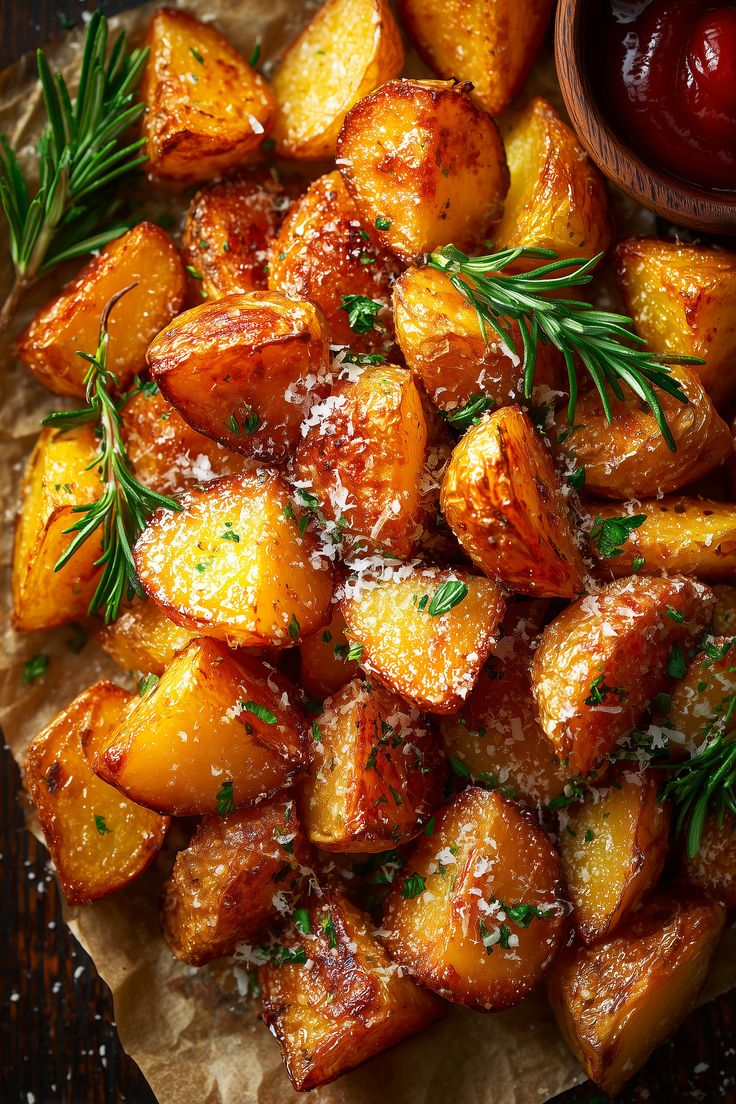
Few dishes are as universally loved as perfectly crisp roast potatoes. Golden and glassy on the outside, fluffy and cloud-soft within, and deeply savory from good fat and salt—this is comfort food at its finest. Whether you’re serving them alongside a Sunday roast, a holiday feast, or as the star of a simple weeknight dinner, this detailed guide will walk you through every step to achieve truly exceptional results.
Why Roast Potatoes Matter
Roast potatoes look simple, but they’re a masterclass in technique. The difference between pale, leathery cubes and shatteringly crisp, bronzed beauties comes down to three key elements:
- The right potato
- Parboiling and roughing the surface
- High heat and proper fat
Get those right, and you’ll have potatoes worthy of any festive table.
Choosing the Right Potato
For maximum fluffiness inside and crunch outside, choose a starchy (floury) potato. These varieties break down slightly when boiled, creating a textured surface that crisps beautifully.
Best options:
- Russet potatoes – High starch, very fluffy interior.
- Yukon Gold – Slightly waxier but richly flavored.
- Maris Piper (UK favorite) – Ideal for classic roast potatoes.
Avoid waxy potatoes like red potatoes or new potatoes for this method—they hold their shape too well and won’t crisp as dramatically.
Ingredients (Serves 6–8)
- 1.5 kg (3–3.5 lb) floury potatoes
- 4–6 tablespoons high-smoke-point fat:
- Duck fat (for indulgent richness)
- Goose fat
- Beef dripping
- Or vegetable oil (sunflower, canola)
- 2 teaspoons flaky sea salt (plus more to taste)
- Freshly cracked black pepper
- Optional aromatics:
- 4–6 garlic cloves, lightly crushed
- 2–3 sprigs fresh rosemary
- 2–3 sprigs fresh thyme
Equipment
- Large pot
- Colander
- Large roasting tray (metal works best)
- Tongs or spatula
- Oven preheated to 220°C / 425°F (200°C fan)
Step-by-Step Method
1. Peel and Cut
Peel the potatoes and cut them into large, even chunks—about the size of a golf ball or slightly larger. Bigger pieces create more contrast between crisp shell and fluffy center.
If you prefer rustic style, you may leave the skins on, but peeling helps create maximum fluff.
2. Parboil (The Secret to Crispiness)
Place the cut potatoes into a large pot of cold, well-salted water. Bring to a boil and cook for 8–12 minutes, until the edges are soft but the centers still hold their shape.
You’re not cooking them fully—just softening the outer layer.
Why This Matters
Boiling partially gelatinizes the starch on the surface. That starch is what becomes crisp and golden in the oven.
3. Rough Them Up
Drain the potatoes in a colander. Let them steam dry for 5 minutes.
Then gently shake the colander to rough up the edges. You want fluffy, slightly ragged exteriors. Those rough bits will turn into crunchy ridges in the oven.
For even more texture, lightly dust the potatoes with:
- 1 tablespoon semolina or flour (optional but effective)
4. Preheat the Fat
While the potatoes steam dry, add your fat to a large roasting tray and place it in the oven for 5–10 minutes until shimmering hot.
This is crucial. Adding potatoes to cold fat prevents proper crisping.
When you place potatoes into hot fat, they should sizzle immediately.
5. Roast – First Stage
Carefully transfer the potatoes into the hot tray. Turn them so each piece is coated in fat.
Spread them out—do not overcrowd.
Roast for 25–30 minutes without touching them. This allows a crust to form.
6. Turn and Continue Roasting
After 30 minutes, flip the potatoes using tongs. Add garlic and herbs now (if added earlier, they may burn).
Return to the oven and roast another 25–35 minutes until deep golden brown and crisp all over.
Total roasting time: 50–65 minutes.
7. Season and Rest
Remove from oven and immediately sprinkle generously with flaky sea salt.
Let rest 5 minutes before serving to allow crust to fully set.
The Science of Crispiness
Three processes create perfect roast potatoes:
1. Starch Gelatinization
Boiling breaks down surface starch.
2. Dehydration
Steam escaping in the oven dries the surface.
3. Maillard Reaction
High heat + fat = browning and complex flavor.
This trio produces that signature crunch.
Flavor Variations
Garlic & Rosemary Classic
Add crushed garlic and rosemary in the final 30 minutes.
Duck Fat Luxury
Use duck fat for a restaurant-quality finish.Spiced Roast Potatoes
Toss with:
- 1 tsp smoked paprika
- ½ tsp cumin
- Pinch chili flakes
Add spices halfway through roasting.
Parmesan Crust
Sprinkle finely grated Parmesan in the final 10 minutes.
Make-Ahead Tips
Roast potatoes can be partially prepared in advance:
- Parboil and rough them up.
- Let cool completely.
- Refrigerate uncovered overnight.
- Roast fresh the next day.
Cold, dried surfaces crisp even better.
Common Mistakes to Avoid
Overcrowding the Tray
Leads to steaming instead of roasting.
Not Enough Fat
Potatoes need a thin coating to crisp.
Turning Too Early
Let crust form before flipping.
Using Low Heat
High heat is essential for browning.
Serving Suggestions
Roast potatoes pair beautifully with:
- Roast chicken
- Beef roast
- Lamb
- Grilled sausages
- Mushroom gravy
- Holiday turkey
They’re equally good with vegetarian mains or simply dipped into aioli.
Storage & Reheating
Store leftovers in the refrigerator up to 3 days.
To reheat:
- 200°C / 400°F oven
- 10–15 minutes
- Avoid microwave (causes sogginess)
Air fryer reheating also works beautifully.
Scaling the Recipe
For larger gatherings:
- Use multiple trays.
- Rotate trays halfway through.
- Increase roasting time slightly if oven is crowded.
Frequently Asked Questions
Can I make them without peeling?
Yes, but peel for maximum fluff.
Why aren’t mine crispy?
Likely causes:
- Waxy potatoes
- Not enough roughing
- Cold fat
- Overcrowded tray
Can I use olive oil?
Yes, but choose light olive oil for higher smoke point.
Ultimate Texture Checklist
✔ Floury potato
✔ Generously salted boiling water
✔ Rough edges
✔ Hot fat
✔ High heat
✔ Space in tray
✔ Proper turning
Follow this list, and success is nearly guaranteed.
Final Thoughts
Perfect roast potatoes are more technique than recipe. Once you master parboiling, roughing, and high-heat roasting, you can adapt flavors endlessly. Whether cooked in humble vegetable oil or luxurious duck fat, they remain one of the most satisfying side dishes ever created.
Golden. Crisp. Fluffy. Deeply savory.
Few foods deliver such dramatic texture from such simple ingredients—and that’s exactly why roast potatoes deserve to be done properly.