The Ultimate Masterclass in Baking the Decadent Chocolate Brownie Cake
There is a profound culinary magic that happens when you combine the dense, velvety richness of a fudgy chocolate brownie with the towering elegance and festive presence of a classic layer cake. Welcome to the world of the ultimate chocolate brownie cake—a show-stopping dessert that bridges the gap between casual comfort food and fine-dining confectionery. When you bake this masterpiece from scratch, you bypass the flat, artificial sweetness of commercial mixes and open the door to a world of deep, multi-dimensional cocoa flavors, glossy textures, and an unforgettable crumb structure.
Whether you are hosting an extravagant birthday celebration, putting together a stunning anniversary dinner, or simply looking to satisfy an intense, late-night chocolate craving, mastering this recipe transforms your home kitchen into an artisan bakery. Achieving that rare combination of a crackly, paper-thin top crust, a gorgeously dense and fudge-like interior, and the structural integrity of a proper cake requires more than just mixing random pantry staples together. It is an exercise in baking chemistry, precise fat-to-flour ratios, and thermal management.
The Science of Texture: Why This Cake Stands Apart
To create a phenomenal chocolate brownie cake, you must understand how structural components interact under oven heat. Unlike traditional fluffy sponge cakes that rely heavily on chemical leaveners like baking powder or baking soda to trap air, a true brownie cake operates on a completely different set of physical rules.
- The Restraint of Flour: In standard cake recipes, a high proportion of all-purpose flour provides the gluten matrix necessary to trap carbon dioxide bubbles, resulting in a light, springy crumb. In a brownie cake, flour is intentionally restricted. By using only a minimal amount of flour, we suppress the development of gluten strands. This ensures that the cake maintains a compact, heavy, and intensely moist mouthfeel rather than turning dry and sponge-like.
- Melted Butter and Chocolate: The method of fat incorporation dictates your final crumb. Instead of creaming solid butter with sugar (which incorporates microscopic air pockets for lightness), this recipe calls for melting the butter and dark baking chocolate together. This liquid fat thoroughly coats every starch particle, waterproofing them and preventing unwanted gluten expansion. The result is a luxurious, velvety density that melts directly on your tongue.
- Eggs as the Natural Binder: Notice the absence of heavy chemical leaveners. The eggs in this recipe serve a dual purpose: their yolks supply extra fats and natural emulsifiers for a rich mouthfeel, while vigorous whisking incorporates mechanical air into the sugar matrix. During baking, this trapped air expands just enough to give the cake a stable lift while keeping the core wonderfully dense and fudgy.
The Secret to the Signature Glossy, Crackly Crust
One of the defining characteristics of a professional-grade chocolate brownie cake is its shiny, crinkled, paper-thin upper crust. This visual and textural masterpiece is achieved through a specific biochemical reaction known as the “ribbon stage” or sugar crystallization.
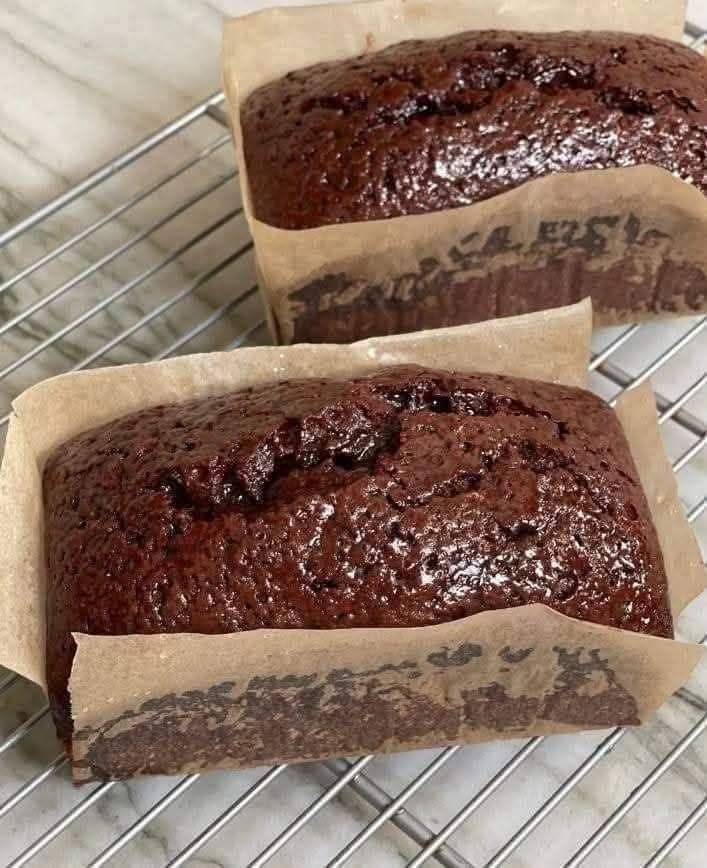
When you thoroughly whisk your eggs and granulated sugar together—either by hand with a sturdy balloon whisk or using an electric hand mixer—until the mixture turns pale, thick, and billowy, the sugar crystals partially dissolve in the moisture of the egg whites. During baking, this concentrated sugar solution rises to the surface, dries out rapidly under oven heat, and forms a delicate, translucent, crackly sugar crust. Incorporating a blend of high-grade dark or bittersweet baking chocolate alongside premium unsweetened cocoa powder further amplifies this effect, as the cocoa solids and butterfat interact smoothly with the sugars to lock in that coveted bakery appearance.
Sourcing Superior Ingredients for Maximum Flavor Depth
Because a brownie cake relies on a short list of fundamental components, the quality of each ingredient directly dictates the final taste of your dessert. Skimping on quality yields flat, overly sugary results, whereas premium choices transform a simple bake into an artisanal triumph.
- Selecting Your Chocolate: Always opt for high-grade baking bars (such as dark, semi-sweet, or bittersweet chocolate containing anywhere from 60% to 70% cocoa solids) rather than standard commercial candy bars. Premium baking chocolate contains pure cocoa butter, which melts smoothly and provides a deep, sophisticated bitterness that cuts through the sweetness of the sugar.
- Choosing Your Cocoa Powder: You can utilize either natural unsweetened cocoa powder or Dutch-process cocoa powder. Natural cocoa offers a brighter, fruitier chocolate punch, while Dutch-process cocoa has been washed in an alkaline solution, neutralizing its acidity. This results in a darker color, a smoother profile, and that classic, deep-earthy bakery flavor.
- The Power of Vanilla and Salt: Pure vanilla extract acts as a flavor enhancer, rounding out the sharp edges of the cocoa and amplifying the overall aromatic profile. Similarly, salt is non-negotiable; even a small pinch cuts through the dense sweetness, forcing the complex nuances of the chocolate to blossom on your palate.
Step-by-Step Execution and Professional Baking Tips
Achieving perfection requires patience and attention to detail during the mixing, baking, and cooling phases.
- Precision in Pan Choice: Always select a heavy-duty metal baking pan over glass or ceramic alternatives. Glass and ceramic dishes retain heat aggressively, meaning the outer edges of your cake will overbake and dry out long before the center has finished setting.
- Proper Pan Preparation: Line your baking pan with parchment paper, leaving a generous overhang on opposite sides. This acts as a convenient “sling,” allowing you to lift the entire chilled block of cake effortlessly out of the pan for clean, sharp slicing.
- The Danger of Overmixing: Once you fold your dry flour and cocoa mixture into your wet chocolate base, switch from an electric mixer to a rubber spatula. Stir gently and only until the dry streaks disappear. Overmixing introduces unwanted air pockets and develops gluten, transforming your fudgy masterpiece into a disappointing sponge cake.
- Determining Doneness: Brownie cakes continue to cook from residual heat even after you pull them out of the oven. Relying on a traditional clean toothpick test will result in an overbaked, dry texture. Instead, insert a toothpick into the center; it should emerge with a few moist, sticky crumbs clinging to it, but no liquid batter.
- The Hardest Part—Waiting: Allow your cake to cool completely in the pan on a wire rack. For optimal structural integrity and slicing precision, chill the cooled pan in the refrigerator for at least one to two hours before cutting. This firms up the butter and chocolate matrix, allowing you to achieve clean, sharp professional slices without crumbling.
Part 2: Signature Homemade Chocolate Brownie Cake
- Prep Time: 20 minutes
- Cook Time: 35 minutes
- Total Time: 55 minutes (plus cooling time)
- Yields: 10 to 12 generous servings
Essential Ingredients
- Unsalted Butter: 3/4 cup (170g), sliced into uniform chunks
- Dark or Bittersweet Baking Chocolate: 6 ounces (170g), coarsely chopped (60% to 70% cocoa)
- Granulated White Sugar: 1 cup plus 1/2 cup (300g)
- Large Eggs: 3 whole eggs, kept at room temperature
- Pure Vanilla Extract: 1.5 teaspoons
- All-Purpose Flour: 1 cup (125g), spooned and leveled
- Unsweetened Cocoa Powder: 1/3 cup (30g)
- Fine Salt: 1/2 teaspoon
- Optional Finish: A dusting of powdered sugar or a layer of chocolate ganache frosting
Step-by-Step Instructions
- Preheat and Prepare: Preheat your oven to 350°F (175°C). Line a round or square cake baking pan with parchment paper, leaving an overhang on the sides for easy removal.
- Melt Butter and Chocolate: In a heatproof, microwave-safe bowl, combine the butter and chopped dark chocolate. Microwave in 30-second bursts, stirring vigorously between each interval, until completely melted, smooth, and glossy.
- Incorporate Sugar: Whisk the granulated sugar directly into the warm chocolate-butter mixture until thoroughly blended.
- Add Eggs and Vanilla: Add the room-temperature eggs and vanilla extract to the bowl. Whisk vigorously for about 45 to 60 seconds until the mixture lightens slightly, becomes glossy, and forms a cohesive emulsion.
- Combine Dry Elements: Sift in the all-purpose flour, cocoa powder, and fine salt. Using a rubber spatula, gently fold the dry ingredients into the wet mixture just until combined. Do not overmix.
- Transfer to Pan: Pour the thick, rich batter into your prepared baking pan, spreading it smoothly into all corners with your spatula.
- Bake: Bake in the preheated oven for 30 to 35 minutes. The edges should be firm and set, and the top surface should look shiny and slightly cracked.
- Cool and Serve: Remove from the oven and place the pan on a wire rack. Let the cake cool completely in the pan before lifting out via the parchment paper sling, slicing into portions, and serving.
Source: Adapted from classic artisan baking methods, optimized for home kitchens to deliver a rich, fudgy chocolate brownie cake with an exceptional crust and deep flavor profile.