A Fresh Take on a Timeless Favorite
When it comes to simple yet satisfying meals, nothing quite compares to a well-made creamy egg salad recipe. This dish has stood the test of time, appearing in home kitchens, cafés, lunchboxes, and picnic baskets across generations. Its popularity lies in its simplicity, affordability, and ability to deliver rich flavor with minimal effort.
But while egg salad may seem basic at first glance, there is actually an art to making it truly exceptional. The difference between an average version and a standout one comes down to technique, ingredient balance, and attention to detail. When done right, egg salad becomes more than just a quick meal—it transforms into a protein-packed comfort food that is both nourishing and deeply satisfying.
This guide is designed to help you master every aspect of egg salad, from perfectly cooked eggs to a balanced, creamy dressing and ideal texture. Whether you are preparing a quick lunch, a healthy snack, or a dish for entertaining guests, this upgraded version ensures consistent, delicious results every time.
Why This Egg Salad Recipe Is Better Than Basic Versions
Many traditional recipes rely heavily on mayonnaise, which can sometimes make the salad feel too heavy or overly rich. This improved version introduces a smarter balance by incorporating Greek yogurt along with classic ingredients.
This combination offers several advantages:
- A lighter, fresher texture
- Increased protein content
- A gentle tang that enhances flavor
- Reduced heaviness without sacrificing creaminess
The result is a healthy egg salad recipe that feels indulgent while still being balanced and nutritious.
Selecting the Best Eggs for Perfect Results
The foundation of any great egg salad is, of course, the eggs themselves. Choosing the right eggs can make a surprising difference in both texture and ease of preparation.
Interestingly, eggs that are about 5–7 days old are ideal for boiling. Fresh eggs tend to cling tightly to their shells, making peeling more difficult. Slightly older eggs peel more easily, giving you smooth, clean egg whites.
A properly cooked egg should have:
- Firm but tender whites
- A bright yellow yolk
- No gray or green ring around the yolk
That unwanted discoloration usually happens when eggs are overcooked or not cooled properly.
Mastering the Perfect Boiling Technique
Cooking eggs may seem straightforward, but small adjustments can significantly improve your results. The goal is to achieve a yolk that is creamy and smooth rather than dry or chalky.
Start by placing the eggs in a single layer in a saucepan and covering them with cold water. Heating them gradually ensures even cooking.
Once the water reaches a boil:
- Turn off the heat
- Cover the pot
- Let the eggs sit for about 10 minutes
This gentle cooking method prevents overcooking and preserves the ideal texture.
Immediately transferring the eggs into an ice bath is just as important. This step:
- Stops the cooking process instantly
- Prevents overcooking
- Makes peeling much easier
Creating the Ideal Texture: Creamy Yet Chunky
Texture is one of the most important elements of a great egg salad. Many people make the mistake of over-mashing the eggs, resulting in a paste-like consistency.
For the best texture:
- Chop most of the eggs into small chunks
- Mash a portion of the yolks to create a creamy base
This combination ensures that every bite has both richness and structure, making the salad more enjoyable to eat.
Building a Balanced and Flavorful Dressing
The dressing is what ties everything together. A great egg salad dressing should be:
- Creamy
- Slightly tangy
- Well-seasoned
Instead of relying only on mayonnaise, combining it with Greek yogurt creates a more balanced and modern flavor.
Key components include:
- Mayonnaise for richness
- Greek yogurt for lightness and tang
- Mustard for depth
- Lemon juice for brightness
- Salt and pepper for seasoning
Optional flavor enhancers can include:
- A drizzle of olive oil for smoothness
- A pinch of paprika for warmth
- Lemon zest for a fresh aroma
Mixing the dressing separately before adding it to the eggs ensures even flavor distribution.
Adding Crunch and Fresh Elements
While egg salad is known for its creaminess, adding a bit of crunch makes a huge difference in texture and flavor.
Common additions include:
- Finely chopped celery for crispness
- Minced onion for a subtle bite
- Fresh herbs like parsley, dill, or chives for brightness
To keep the flavors balanced:
- Chop vegetables finely
- Rinse onions briefly to reduce sharpness
- Dry ingredients well to avoid excess moisture
These small steps help maintain the perfect consistency.
Combining Ingredients the Right Way
Once all components are ready, it’s time to assemble the salad. The key here is to fold gently rather than stir aggressively.
Gentle mixing:
- Preserves the texture of the eggs
- Prevents the mixture from becoming mushy
- Ensures even coating of the dressing
Always taste the mixture at this stage and adjust seasoning if needed. Sometimes a small pinch of salt or an extra squeeze of lemon can elevate the entire dish.
Why Chilling Enhances Flavor
Although egg salad can be eaten immediately, allowing it to rest in the refrigerator for 20–30 minutes greatly improves the final result.
During chilling:
- Flavors blend together
- Dressing absorbs into the eggs
- Texture becomes more cohesive
This step transforms a good egg salad into a restaurant-quality dish.
Expert Tips for Consistently Great Results
- Use slightly older eggs for easier peeling
- Always cool eggs in an ice bath
- Keep ingredients dry to avoid watery texture
- Avoid overmixing
- Store properly in airtight containers
Following these tips ensures reliable results every time.
Creative Ways to Serve Egg Salad
Egg salad is incredibly versatile and can be enjoyed in many ways beyond the traditional sandwich.
Popular serving ideas:
- Lettuce wraps for a low-carb option
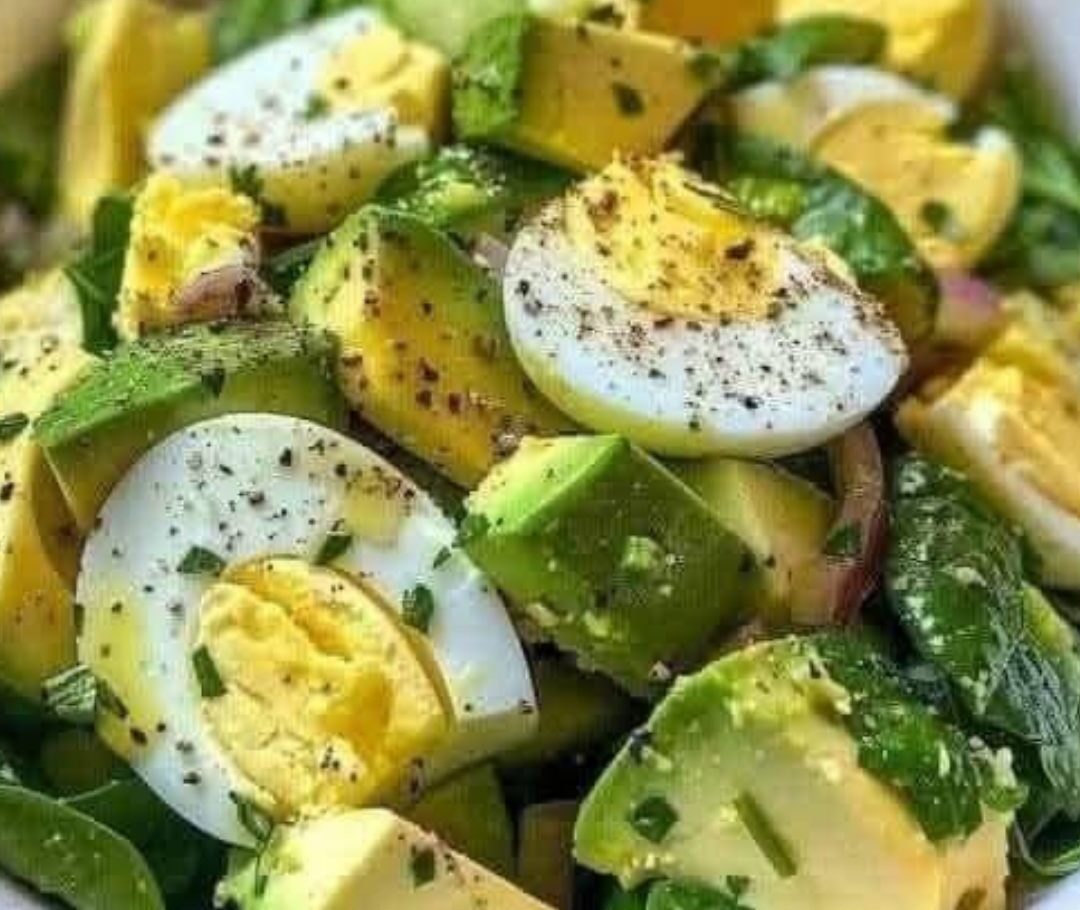
- Stuffed avocados for a nutritious twist
- Crackers for a quick snack platter
- Toasted bread or bagels for breakfast
- Picnic boxes with fresh vegetables
This flexibility is one of the reasons egg salad remains so popular.
Health Benefits of Egg Salad
Egg salad is not only delicious but also offers nutritional benefits:
- High in protein for muscle support
- Contains healthy fats for energy
- Can be made lighter with yogurt substitutions
- Includes vitamins from eggs and fresh vegetables
When prepared thoughtfully, it becomes a balanced and nourishing meal.
Common Mistakes to Avoid
- Overcooking eggs → leads to dry yolks
- Skipping the ice bath → difficult peeling
- Using too much dressing → overly heavy texture
- Not seasoning properly → bland flavor
Avoiding these mistakes ensures a perfect outcome.
Why This Recipe Belongs in Your Kitchen
This egg salad recipe is more than just a quick meal—it’s a reliable, adaptable, and satisfying dish that fits into any lifestyle.
It’s perfect for:
- Busy weekdays
- Meal prep
- Light dinners
- Social gatherings
Once you master it, you’ll always have a go-to recipe that delivers comfort and flavor.
Part 2: Simple Step-by-Step Egg Salad Recipe
Ingredients
- 8 eggs (6 chopped, 2 mashed)
- Mayonnaise
- Greek yogurt
- Mustard
- Lemon juice
- Salt and black pepper
- Finely chopped celery
- Minced onion
- Fresh herbs (parsley, dill, or chives)
Step-by-Step Instructions
Step 1: Boil the Eggs
Place eggs in a saucepan and cover with cold water. Bring to a boil, then turn off heat, cover, and let sit for 10 minutes. Transfer to ice water and cool completely.
Step 2: Peel and Chop
Peel eggs under running water. Chop 6 eggs into chunks and mash 2 eggs for a creamy texture.
Step 3: Prepare the Dressing
In a bowl, mix mayonnaise, Greek yogurt, mustard, lemon juice, salt, and pepper until smooth.
Step 4: Combine Everything
Add eggs, celery, onion, and herbs to a bowl. Pour dressing over and gently fold together.
Step 5: Chill and Serve
Refrigerate for 20–30 minutes before serving for best flavor.