A Modern Take on Classic English Muffins Without Gluten
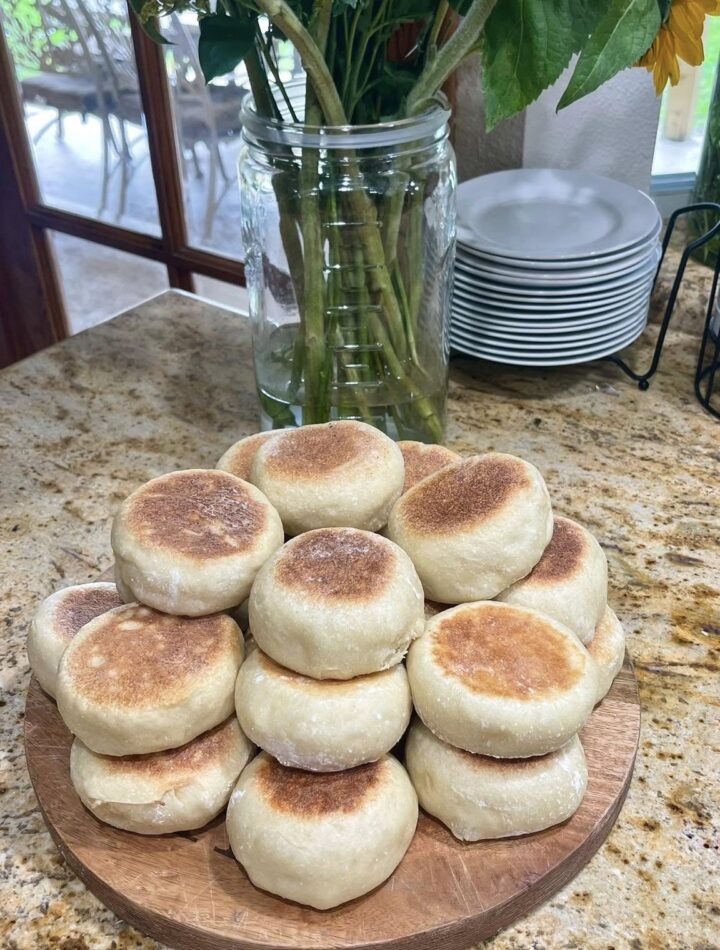
If you’ve been searching for the best gluten-free English muffins recipe, your search ends here. These homemade muffins are soft on the inside, lightly crisp on the outside, and full of that classic texture people love—without using traditional wheat flour. Whether you follow a gluten-free lifestyle or simply want to explore healthier bread alternatives, this recipe delivers excellent results every time.
Traditional English muffins are known for their airy crumb and signature nooks and crannies. Recreating that texture without gluten may sound challenging, but with the right combination of ingredients and techniques, it becomes surprisingly simple. This recipe focuses on creating a balanced dough that mimics the elasticity and structure of gluten-based bread.
Perfect for breakfast, brunch, or even a quick snack, these muffins can be enjoyed with butter, jam, eggs, or savory toppings. They are incredibly versatile and can easily become a staple in your kitchen.
Why These Gluten-Free Muffins Are Worth Making
The popularity of gluten-free baking recipes has grown significantly, and for good reason. Many people are looking for alternatives that support digestive health or specific dietary needs. These muffins offer:
- A soft and fluffy interior
- A lightly crisp, golden exterior
- A balanced flavor profile
- Easy preparation steps
- Adaptability for dairy-free options
Unlike store-bought gluten-free bread, which can often be dry or dense, these homemade muffins are fresh, moist, and full of flavor.
Understanding the Science Behind Gluten-Free Baking
Creating the perfect gluten-free English muffin is not just about mixing ingredients—it’s about understanding how they work together.
1. The Role of Gluten-Free Flour Blend
Since gluten is responsible for structure in traditional bread, we replace it with a carefully balanced mix:
- White rice flour creates a light texture
- Brown rice flour adds depth and a mild nutty taste
- Tapioca flour provides stretch and chewiness
- Cornstarch helps keep the crumb soft and tender
- Xanthan gum acts as a binder, replacing gluten’s elasticity
This combination ensures the muffins are not crumbly or dry.
2. Moisture Balance for Soft Muffins
Gluten-free dough tends to lose moisture quickly. That’s why this recipe uses a mix of milk and water. This combination keeps the dough hydrated and helps create a soft texture.
For those who prefer dairy-free options, coconut milk or plant-based milk can be used without affecting the outcome.
3. Yeast Activation for Perfect Rise
Yeast is essential for achieving that classic airy structure. The sugar in the recipe feeds the yeast, allowing it to activate and create bubbles in the dough. This results in a light and fluffy muffin.
4. Fat for Richness and Texture
Butter plays an important role in flavor and softness. It enriches the dough and creates a tender crumb. If needed, plant-based butter alternatives can be used.
5. Eggs for Stability
Eggs provide structure and help hold everything together. They also contribute to the soft texture and overall richness.
6. The Secret of Cornmeal Texture
Cornmeal gives English muffins their signature slightly crisp base and subtle crunch. While optional, it enhances authenticity and adds a bakery-style finish.
Step-by-Step Process Explained in Detail
Activating the Yeast Properly
The first step is to wake up the yeast. Warm liquids combined with sugar create the perfect environment for yeast activation. When bubbles form, you know it’s ready.
Combining Dry Ingredients Evenly
Sifting ensures that all flours and binding agents are distributed properly. This prevents uneven texture.
Mixing to Form Sticky Dough
Unlike traditional dough, gluten-free dough is softer and stickier. This is completely normal and necessary for achieving the right texture.
Incorporating Butter Gradually
Adding butter slowly ensures it blends evenly into the dough, improving consistency and flavor.
First Rise for Volume
Allowing the dough to rise gives it structure and lightness. A warm environment helps speed up this process.
Shaping the Muffins
Rolling and cutting the dough creates uniform pieces. This ensures even cooking and a professional look.
Second Rise for Fluffiness
A short second rise enhances the texture, making the muffins lighter and more airy.
Cooking on a Skillet Instead of Baking
Unlike many breads, English muffins are cooked on a pan. This method creates their signature golden crust.
Serving Ideas for Gluten-Free English Muffins
These muffins are incredibly versatile and can be enjoyed in many ways:
Sweet Options
- Butter and honey
- Fruit jam or preserves
- Peanut butter or chocolate spread
Savory Options
- Fried or scrambled eggs
- Avocado slices
- Cheese and grilled vegetables
Meal Ideas
- Breakfast sandwiches
- Mini pizzas
- Toasted snack with toppings
Storage & Meal Prep Tips
One of the best features of this recipe is its convenience for meal prep.
- Room Temperature: Store in an airtight container for up to 2 days
- Refrigerator: Keeps fresh for 4–5 days
- Freezer: Freeze for up to 2 months
To reheat, simply toast or warm on a pan.
Common Mistakes to Avoid
- Using liquids that are too hot (can kill yeast)
- Skipping xanthan gum (affects structure)
- Adding too much flour (makes muffins dense)
- Not allowing enough rise time
- Cooking on high heat (burns outside, raw inside)
Why This Recipe Stands Out
This recipe is designed for consistent success. It combines the right techniques with balanced ingredients to produce muffins that are:
- Soft and fluffy
- Light yet satisfying
- Perfectly golden
- Easy to customize
- Ideal for gluten-free diets
Nutritional Benefits
Each muffin provides:
- Moderate carbohydrates for energy
- Controlled fat content
- Low sugar levels
- Gluten-free digestion-friendly option
Final Thoughts
These homemade gluten-free English muffins prove that you don’t need traditional flour to enjoy classic comfort foods. With the right ingredients and method, you can create bakery-quality results in your own kitchen.
Whether you’re making breakfast for your family or preparing meals ahead of time, this recipe is practical, delicious, and reliable.
Part 2: Simple Recipe (Quick Version)
Gluten-Free English Muffins – Easy Step-by-Step
Ingredients
- 200 ml warm milk
- 100 ml warm water
- 5 g instant yeast
- 32 g sugar
- 160 g white rice flour
- 66 g tapioca flour
- 32 g cornstarch
- 66 g brown rice flour
- 1½ tsp xanthan gum
- 1 tsp salt
- 1 large egg
- 45 g unsalted butter (softened)
- 4 tbsp cornmeal (optional)
Instructions
Step 1: Activate Yeast
Mix warm milk, water, sugar, and yeast. Let sit for 10 minutes until foamy.
Step 2: Mix Dry Ingredients
Combine all flours, cornstarch, xanthan gum, and salt in a bowl.
Step 3: Make Dough
Add yeast mixture and egg to dry ingredients. Mix until sticky dough forms.
Step 4: Add Butter
Incorporate softened butter gradually until smooth.
Step 5: First Rise
Cover and let dough rise for 1 hour until doubled.
Step 6: Shape Muffins
Roll dough and cut into rounds using a cutter.
Step 7: Second Rise
Let shaped muffins rest for 15 minutes.
Step 8: Cook
Heat a pan, sprinkle cornmeal, and cook muffins 6–7 minutes per side.
Step 9: Serve
Cool slightly, slice, and enjoy with toppings.
Nutrition (Per Serving Approx.)
- Calories: 181 kcal
- Carbohydrates: 31 g
- Protein: Moderate
- Fat: 5 g
- Sugar: 4 g
Disclaimer
Nutritional values are approximate and may vary depending on ingredients used. This recipe is for general dietary use and should be adjusted based on personal needs.