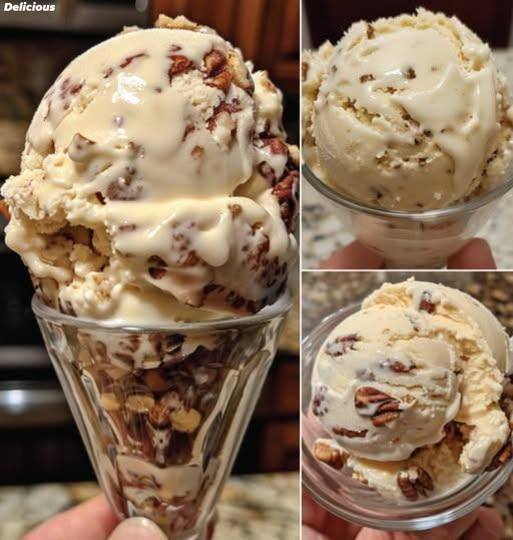
There is something special about a simple homemade cake fresh from the oven. While modern desserts often focus on elaborate decorations and trendy flavors, this classic community-style cake celebrates the beauty of traditional baking. Soft, buttery, moist, and incredibly comforting, this easy cake recipe has remained popular for generations because it delivers everything people want in a homemade dessert without unnecessary complexity.
Whether you’re baking for a family gathering, afternoon tea, church social, potluck dinner, bake sale, or weekend treat, this classic butter cake recipe offers reliable results and a flavor that appeals to nearly everyone. It is the kind of cake that feels familiar from the very first bite.
Why This Traditional Cake Recipe Continues to Stand the Test of Time
Unlike many modern desserts that require multiple layers, specialty equipment, or complicated decorating techniques, this cake focuses on simple ingredients and dependable methods. The result is a tender crumb, rich buttery flavor, and soft texture that make it suitable for almost any occasion.
One reason this cake remains so beloved is its versatility. It can be served plain, dusted lightly with powdered sugar, topped with a simple glaze, or paired with fresh fruit and whipped cream. No matter how it is presented, the cake maintains its homemade charm.
Another reason for its lasting popularity is accessibility. Most of the ingredients are common pantry staples, making it easy to prepare whenever a craving for homemade cake strikes.
The Secret to a Perfectly Soft and Moist Cake
Many home bakers wonder why some cakes turn out dense while others are light and fluffy. The answer often lies in a few important techniques used during preparation.
The first key step is properly creaming the butter and sugar together. When these ingredients are beaten until pale and fluffy, tiny air pockets form within the mixture. During baking, those air pockets expand, creating a lighter texture throughout the cake.
The second important factor is adding eggs gradually. Incorporating them one at a time allows the batter to emulsify properly, creating a smooth mixture that bakes evenly.
Finally, alternating the dry ingredients with milk helps maintain the batter’s structure while preventing overmixing. Excessive mixing can develop gluten in the flour, resulting in a tougher cake rather than a tender one.
Choosing Quality Ingredients for the Best Results
Although this recipe uses simple ingredients, selecting high-quality versions can significantly improve the final outcome.
Butter
Butter provides richness, flavor, and moisture. Using real butter rather than substitutes contributes to the cake’s classic homemade taste.
Sugar
Granulated sugar not only sweetens the cake but also helps create the light texture achieved during the creaming process.
Eggs
Fresh eggs contribute structure, moisture, and stability. They also help bind the ingredients together.
Vanilla Extract
Pure vanilla extract adds depth and warmth to the flavor profile, enhancing the buttery notes throughout the cake.
Flour
All-purpose flour creates a sturdy yet tender crumb suitable for everyday baking.
Baking Powder
This leavening agent helps the cake rise properly and achieve a light texture.
Milk
Milk contributes moisture while helping blend the ingredients into a smooth batter.
Salt
A small amount of salt balances sweetness and enhances the overall flavor.
Optional Flavor Enhancers
Fresh citrus zest, cinnamon, nutmeg, or other gentle spices can add additional character without overpowering the traditional flavor.
Why This Cake Is Perfect for Gatherings
Community-style cakes have long been associated with family events, church functions, neighborhood celebrations, and casual get-togethers. Their popularity stems from practicality and universal appeal.
Because the cake can be baked in either a rectangular dish or round cake pan, it adapts easily to different serving situations. When baked in a rectangular pan, it can be cut into neat squares, making it ideal for sharing with large groups.
The uncomplicated flavor appeals to both children and adults, making it a dependable dessert option for diverse gatherings.
Baking Tips for Consistent Success
Even simple recipes benefit from a few professional baking tips.
Bring Ingredients to Room Temperature
Allow butter, eggs, and milk to reach room temperature before mixing. This promotes smoother blending and a more uniform batter.
Measure Carefully
Accurate measurements help maintain the proper balance between wet and dry ingredients.
Avoid Overmixing
Once the flour mixture is added, mix only until combined. Overworking the batter may lead to a dense texture.
Use the Correct Oven Temperature
Preheating the oven ensures even baking from the beginning.
Check for Doneness
Insert a toothpick into the center of the cake. If it comes out clean or with a few dry crumbs attached, the cake is ready.
Creative Serving Ideas
One of the greatest strengths of this homemade cake is its flexibility.
Classic Presentation
Serve slices plain with a light dusting of powdered sugar.
Tea-Time Treat
Pair a slice with hot tea for a comforting afternoon snack.
Coffee Companion
The buttery flavor complements freshly brewed coffee beautifully.
Fresh Fruit Topping
Serve with strawberries, blueberries, raspberries, or sliced peaches.
Light Glaze Finish
A simple vanilla glaze can provide additional sweetness while preserving the cake’s rustic appearance.
Dessert Platter Addition
Include slices on dessert trays alongside cookies and pastries.
How to Store Homemade Cake
Proper storage helps preserve freshness and texture.
Room Temperature Storage
Store the cooled cake in an airtight container for up to three days.
Refrigeration
For extended freshness, refrigerate the cake for up to one week.
Freezing
Wrap individual slices or the entire cake tightly before freezing for up to three months.
Allow frozen cake to thaw naturally before serving.
Why Homemade Cakes Feel So Comforting
Food often carries emotional connections. Traditional cakes are frequently associated with celebrations, family gatherings, community events, and cherished memories.
This cake embodies that sense of comfort. Its familiar aroma fills the kitchen during baking, creating anticipation and warmth. The straightforward flavor profile avoids extremes, making it universally enjoyable.
Unlike highly decorated desserts that may feel reserved for special occasions, this cake invites everyday enjoyment. It is equally appropriate for a casual breakfast, afternoon coffee break, family dessert, or festive gathering.
Common Questions About This Traditional Cake
Can I Add Citrus Flavor?
Yes. Lemon or orange zest pairs beautifully with the vanilla base.
Can I Include Warm Spices?
Absolutely. Cinnamon, nutmeg, or a combination of baking spices work well.
Can I Make It Ahead?
Yes. Many bakers find the flavor improves after resting overnight.
Can I Bake It in Different Pans?
The recipe adapts easily to both rectangular and round baking pans.
Is Frosting Necessary?
Not at all. This cake is intentionally simple and delicious on its own.
Final Thoughts
In a world filled with complicated desserts and constantly changing food trends, this traditional homemade cake remains a favorite because it focuses on what truly matters: great flavor, soft texture, and comforting simplicity.
Its buttery richness, tender crumb, and easy preparation make it a dependable recipe for both beginner and experienced bakers. Whether served at a family gathering, community event, holiday celebration, or quiet afternoon tea, this timeless cake continues to bring people together.
Sometimes the most memorable desserts are not the most elaborate ones. They are the recipes that remind us of home, shared moments, and the joy of baking something simple from scratch.
Part 2: Simple Recipe Card
Classic Homemade Community Cake
Ingredients
- Butter, softened
- Granulated sugar
- Eggs
- Vanilla extract
- Citrus zest (optional)
- Ground cinnamon or nutmeg (optional)
- All-purpose flour
- Baking powder
- Salt
- Milk
- Powdered sugar for serving (optional)
- Simple vanilla glaze (optional)
Instructions
Step 1: Prepare the Baking Pan
Preheat the oven to 180°C (350°F). Lightly grease a rectangular baking dish or a round cake pan.
Step 2: Cream Butter and Sugar
In a large mixing bowl, beat the softened butter and sugar until pale, light, and fluffy.
Step 3: Add Eggs and Flavorings
Add the eggs one at a time, mixing well after each addition. Stir in the vanilla extract. If using citrus zest or spices, add them now.
Step 4: Mix the Dry Ingredients
In another bowl, whisk together the flour, baking powder, and salt until evenly combined.
Step 5: Create the Batter
Gradually add the dry ingredients to the butter mixture, alternating with the milk. Mix gently until a smooth batter forms. Avoid overmixing.
Step 6: Bake
Transfer the batter to the prepared pan and spread evenly. Bake for 30–40 minutes or until a toothpick inserted into the center comes out clean.
Step 7: Cool and Finish
Allow the cake to cool completely before slicing. Serve plain, dust with powdered sugar, or drizzle with a simple glaze if desired.
Helpful Notes
- Room-temperature ingredients produce the best texture.
- The cake often tastes even better the next day.
- Cut into squares for easy serving at gatherings.
- Enjoy with coffee, tea, or a glass of milk.
Storage
Store in an airtight container at room temperature for up to 3 days or refrigerate for up to 1 week.
Yield
1 standard cake