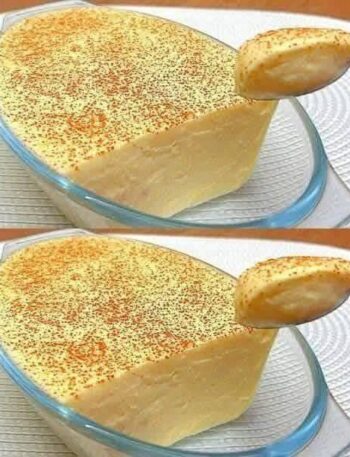
Golden Cheese-Filled Flatbread – Crispy Homemade Mediterranean Bread Recipe
There is something special about pulling freshly cooked bread from the oven and discovering a warm, creamy cheese filling hidden inside. This homemade cheese-stuffed flatbread combines a golden, lightly crisp exterior with a soft, chewy center packed with melted mozzarella, tangy feta, and creamy ricotta. Every bite delivers a balance of texture and flavor that transforms simple pantry ingredients into an unforgettable comfort food experience.
This easy homemade flatbread recipe is inspired by Mediterranean-style stuffed breads that have been enjoyed for generations. Unlike traditional flatbreads that are served plain or topped with ingredients, this version encloses a rich cheese mixture inside the dough itself. The result is a crispy crust surrounding a delicious molten center that stretches beautifully when sliced.
One of the reasons this stuffed bread recipe has become increasingly popular among home cooks is its versatility. It can be served as a quick lunch, family dinner side dish, party appetizer, or satisfying snack. Pair it with soup, fresh salads, roasted vegetables, yogurt dips, or grilled meats, and it instantly elevates any meal.
Because the recipe uses simple ingredients such as flour, yeast, olive oil, and cheese, it is both affordable and beginner-friendly. Yet the finished flatbread tastes like something you would find in an artisan bakery or Mediterranean café.
Whether you’re searching for the best homemade flatbread recipe, a cheesy bread recipe for entertaining guests, or an easy Mediterranean comfort food, this stuffed flatbread deserves a place in your recipe collection.
Why Homemade Cheese Flatbread Is Worth Making
Store-bought breads may be convenient, but freshly prepared flatbread offers superior flavor and texture.
Making stuffed flatbread from scratch gives you complete control over every ingredient and allows you to enjoy bread at its freshest stage.
Benefits include:
- Freshly prepared dough
- Better quality cheese
- Customizable flavors
- Crispy golden crust
- Soft interior texture
- Authentic homemade taste
The combination of warm bread and melted cheese creates a comfort food experience that packaged products simply cannot duplicate.
The Secret Behind the Perfect Crispy and Gooey Texture
The magic of this recipe lies in its contrast.
The exterior develops a beautiful golden crust during cooking while the interior remains soft and tender. Inside, the cheese filling becomes creamy and stretchy, creating the irresistible cheese-pull effect that makes stuffed breads so appealing.
This texture contrast occurs because of the dual cooking method. First, the flatbread cooks in a skillet where direct heat creates a crispy crust. Then it finishes in the oven, allowing the cheese mixture to melt completely while the bread cooks evenly throughout.
The result is a stuffed flatbread that is crisp on the outside and rich and creamy inside.
Why Yeast Dough Creates Bakery-Style Results
The dough is the foundation of this recipe.
Using active dry yeast allows the dough to rise properly, creating a light texture with subtle chewiness.
During fermentation, yeast consumes sugars and releases carbon dioxide gas. These tiny air pockets expand throughout the dough, producing a softer and more tender structure.
Benefits of yeast dough include:
- Improved texture
- Better flavor development
- Enhanced elasticity
- Softer crumb
- More professional results
The dough becomes easier to roll and shape while maintaining enough strength to hold the cheese filling securely.
Understanding the Importance of Warm Water
Temperature plays a critical role when working with yeast.
Lukewarm water helps activate the yeast and encourages proper fermentation.
If the water is too hot, it may damage the yeast cells and prevent rising. If it is too cold, activation slows significantly, resulting in dense bread.
Using properly warmed water creates the ideal environment for consistent dough development and reliable baking results.
Why Sugar Is Included in the Dough
Although the recipe is savory, a small amount of sugar serves an important purpose.
Sugar provides nourishment for the yeast during activation, encouraging faster fermentation and stronger rising power.
Additional benefits include:
- Improved dough texture
- Better browning
- Enhanced flavor balance
- Softer finished bread
When the yeast mixture becomes foamy, it signals that fermentation has successfully begun.
How Olive Oil Improves Bread Quality
Olive oil is one of the key ingredients responsible for the rich flavor of Mediterranean breads.
Adding olive oil to the dough helps create:
- Tender texture
- Improved elasticity
- Rich flavor
- Better moisture retention
- Attractive browning
During cooking, olive oil also contributes to the crispy exterior that makes this flatbread so satisfying.
The Role of Proper Kneading
Many beginner bakers underestimate the importance of kneading.
Kneading develops gluten strands within the flour, giving the dough strength and flexibility.
Properly kneaded dough becomes:
- Smooth
- Elastic
- Stretchable
- Easy to shape
Without sufficient kneading, the bread may become dense, heavy, or difficult to roll evenly.
Five to seven minutes of kneading is generally enough to achieve a smooth and workable dough.
Why Dough Resting Time Matters
Patience is one of the most important ingredients in bread making.
Allowing dough to rise gives yeast time to perform its work.
During this stage:
- Air pockets expand
- Flavor develops
- Dough softens
- Texture improves
A warm, draft-free location encourages steady fermentation and helps the dough double in size.
This process contributes significantly to the final softness of the flatbread.
Creating the Ultimate Three-Cheese Filling
The filling is what transforms ordinary flatbread into an extraordinary comfort food.
Using three different cheeses creates layers of flavor and texture that cannot be achieved with a single cheese variety.
Mozzarella Cheese
Mozzarella provides the signature stretch and melt.
Its mild flavor allows other ingredients to shine while creating a smooth and creamy consistency.
Freshly shredded mozzarella typically melts more evenly than pre-packaged shredded varieties.
Benefits include:
- Excellent melting properties
- Mild flavor
- Creamy texture
- Beautiful cheese pull
Feta Cheese
Feta introduces complexity to the filling.
Its slightly salty and tangy character balances the richness of mozzarella and ricotta.
Feta contributes:
- Mediterranean flavor
- Pleasant saltiness
- Creamy crumbles
- Depth of taste
Without feta, the filling can sometimes taste overly mild.
Ricotta Cheese
Ricotta provides softness and creaminess.
Its delicate texture helps create a smooth filling while adding richness without excessive heaviness.
Ricotta contributes:
- Moisture balance
- Creamy consistency
- Mild flavor
- Smooth texture
Together, mozzarella, feta, and ricotta create an ideal balance of flavor, saltiness, creaminess, and meltability.
Optional Egg for Structure
An egg can be mixed into the cheese filling to improve stability.
The egg helps bind the cheeses together and reduces the chance of filling leakage during cooking.
Additional benefits include:
- Better texture
- Improved consistency
- Enhanced creaminess
However, the recipe remains successful even without the egg.
Fresh Herbs Bring Balance
Rich cheese fillings benefit from fresh herbal notes.
Parsley is commonly used because it adds freshness without overpowering the cheese.
Other suitable herbs include:
- Basil
- Oregano
- Thyme
Fresh herbs introduce brightness and color while enhancing the Mediterranean-inspired flavor profile.
Why Even Dough Thickness Matters
Rolling the dough evenly helps ensure consistent cooking.
When dough thickness varies:
- Thin areas may tear
- Thick areas may remain undercooked
- Filling may distribute unevenly
A uniform thickness allows the bread to cook evenly while keeping the filling securely enclosed.
How to Prevent Cheese Leakage
One of the most common challenges with stuffed breads is preventing filling from escaping.
To keep the cheese inside:
- Avoid overfilling
- Leave a border around edges
- Pinch seams tightly
- Flatten gently after sealing
These simple techniques help maintain a neat appearance and ensure maximum cheese retention.
Why Skillet Cooking Makes a Difference
Cooking the flatbread in a skillet before baking creates exceptional texture.
The skillet provides direct contact heat that develops:
- Crispy crust
- Deep golden color
- Toasted flavor
- Better browning
This step creates a bakery-quality finish that would be difficult to achieve through oven baking alone.
Finishing in the Oven for Perfect Cheese Melt
After skillet cooking, the oven completes the process.
The oven allows heat to penetrate the center while preserving the crispy exterior.
Benefits include:
- Fully melted cheese
- Even cooking
- Improved texture
- Enhanced flavor development
The combination of stovetop and oven cooking produces the best possible results.
Why Butter Creates Extra Flavor
A final brushing of melted butter adds a luxurious finishing touch.
Butter enhances:
- Richness
- Shine
- Aroma
- Softness
Applying butter while the bread is still warm allows it to absorb beautifully into the crust.
Flavor Variations to Try
This recipe can easily be customized.
Popular additions include:
Garlic
Adds savory depth and aroma.
Crushed Chili Flakes
Provides mild heat and complexity.
Spinach
Adds freshness and nutritional value.
Caramelized Onions
Contribute sweetness and richness.
Sun-Dried Tomatoes
Deliver concentrated Mediterranean flavor.
Black Pepper
Enhances overall seasoning and balances the cheese.
Serving Ideas
This cheesy flatbread pairs well with many dishes.
Popular options include:
- Tomato soup
- Garden salads
- Greek yogurt sauce
- Marinara sauce
- Roasted vegetables
- Grilled chicken
- Mediterranean mezze platters
- Pasta dishes
It also makes a fantastic standalone snack.
Perfect for Gatherings and Parties
Stuffed flatbread is ideal for entertaining because it is:
- Easy to slice
- Visually appealing
- Shareable
- Filling
- Crowd-friendly
Guests are often impressed by the crispy exterior and gooey cheese center.
Storage and Reheating
Allow the bread to cool completely before storing.
Refrigerator
Store in an airtight container for up to three days.
Reheating
For best results, warm in:
- Oven
- Toaster oven
- Skillet
These methods restore crispness while maintaining a creamy filling.
Avoid microwave reheating when possible because it can soften the crust.
Freezing Instructions
This flatbread freezes well.
Wrap tightly in plastic wrap and foil before freezing.
Store for up to one month.
Reheat directly from frozen in the oven for best texture.
Common Errors to Avoid
Overfilling
Too much filling increases the risk of leakage.
Skipping the Rise
Insufficient rising time creates dense bread.
Uneven Rolling
Inconsistent thickness causes uneven cooking.
Weak Seals
Poorly sealed edges allow cheese to escape.
Low Cooking Temperature
Insufficient heat prevents proper browning.
A Homemade Bread You’ll Want to Make Again
This cheese-filled flatbread delivers everything people love about homemade comfort food: crispy crust, soft bread, and rich melted cheese.
The combination of mozzarella, feta, and ricotta creates a flavorful filling that feels both rustic and elegant. Whether served as an appetizer, lunch, side dish, or snack, this Mediterranean-inspired stuffed bread is guaranteed to become a family favorite.
With simple ingredients, beginner-friendly techniques, and impressive results, this recipe proves that homemade bread can be both approachable and unforgettable.
Part 2: Easy Three-Cheese Stuffed Flatbread Recipe
Yield
2 Large Stuffed Flatbreads
Prep Time
20 Minutes
Rise Time
1 Hour
Cook Time
20 Minutes
Total Time
1 Hour 40 Minutes
Ingredients
For the Dough
- 2 cups all-purpose flour
- 1 teaspoon salt
- 1 teaspoon sugar
- ½ teaspoon active dry yeast
- ¾ cup lukewarm water
- 2 tablespoons olive oil
For the Cheese Filling
- 1 cup shredded mozzarella cheese
- 1 cup crumbled feta cheese
- 1 cup ricotta cheese
- 1 egg (optional)
- 1 tablespoon finely chopped fresh parsley (optional)
For Cooking
- Olive oil for skillet cooking
- 2 tablespoons melted butter
Optional Add-Ins
- Minced garlic
- Chili flakes
- Fresh basil
- Oregano
- Spinach
- Black pepper
Instructions
Step 1: Activate Yeast
Combine lukewarm water, sugar, and active dry yeast in a small bowl. Let sit for 5 minutes until foamy.
Step 2: Prepare the Dough
Mix flour and salt in a large bowl.
Add yeast mixture and olive oil.
Mix until a dough forms.
Transfer to a lightly floured surface and knead for 5–7 minutes until smooth and elastic.
Place in a lightly oiled bowl, cover, and let rise for about 1 hour or until doubled in size.
Step 3: Make the Filling
In a bowl, combine mozzarella, feta, and ricotta cheese.
Mix in egg and parsley if using.
Stir until evenly combined.
Step 4: Shape the Flatbread
Preheat oven to 375°F (190°C).
Divide dough into two equal portions.
Roll each portion into a circle approximately ¼-inch thick.
Place half of the cheese filling in the center of each round.
Leave a border around the edges.
Fold dough over the filling and pinch firmly to seal.
Gently flatten with your hands.
Step 5: Cook in a Skillet
Heat a small amount of olive oil in a large skillet over medium heat.
Cook each flatbread for 3–4 minutes per side until golden brown.
Transfer to a baking sheet.
Brush tops with melted butter.
Step 6: Finish in the Oven
Bake for 10–15 minutes until the cheese is melted and bubbling.
Allow to cool slightly before slicing.
Serving Suggestions
Serve warm with:
- Tomato soup
- Fresh salad
- Yogurt dip
- Marinara sauce
- Roasted vegetables
- Mediterranean spreads
Expert Tips
- Use room-temperature cheeses for smoother filling.
- Do not overfill the dough.
- Seal edges tightly.
- Freshly shredded mozzarella melts best.
- Brush with butter immediately after baking.
Storage
Refrigerator
Store in an airtight container for up to 3 days.
Freezer
Freeze for up to 1 month.
Reheating
Warm in an oven or skillet until heated through.
Source
Original recipe article rewritten and expanded into a unique, SEO-optimized recipe guide based on the provided cheese-stuffed flatbread concept and ingredient list.