There’s something deeply comforting about a plate of soft, creamy scrambled eggs. They are warm, delicate, rich in flavor, and incredibly satisfying whether served as a quick breakfast, weekend brunch, or light evening meal. While scrambled eggs may seem like one of the easiest dishes to prepare, achieving that silky, fluffy texture requires patience, attention, and the right cooking method.
Unlike dry diner-style eggs cooked over high heat, this version focuses on gentle cooking, slow stirring, and preserving moisture for luxurious results. The beauty of this classic breakfast recipe lies in its simplicity. With only a few ingredients and careful technique, you can transform ordinary eggs into a restaurant-style dish that feels elegant and comforting at the same time.
Soft scrambled eggs have become increasingly popular in gourmet cafés and brunch restaurants because of their velvety consistency and rich buttery flavor. They pair beautifully with toast, avocado, smoked salmon, roasted vegetables, and fresh herbs. Whether you are a beginner cook or someone looking to improve your breakfast game, mastering creamy scrambled eggs is a kitchen skill worth learning.
Why Slow-Cooked Scrambled Eggs Taste Better
The secret to perfect scrambled eggs is low heat. Many people rush the process by cooking eggs quickly over high temperatures, but that usually leads to rubbery texture, dry curds, and uneven cooking.
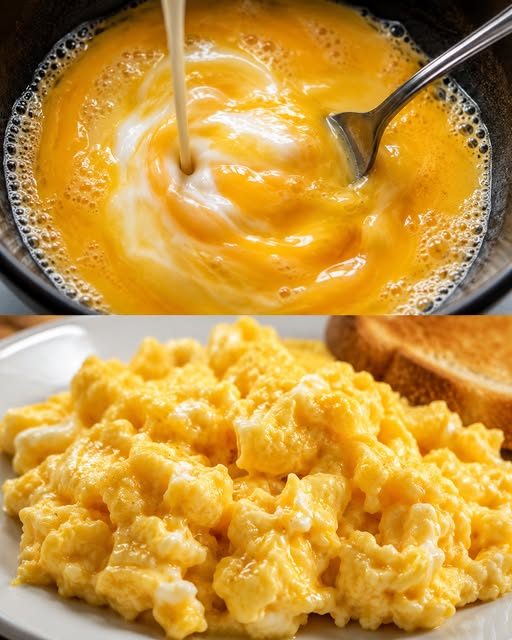
Cooking eggs gently allows the proteins to set slowly, creating soft folds instead of stiff chunks. The eggs remain moist and tender while developing a rich, buttery flavor. This method also prevents browning, which can alter the delicate taste of eggs.
Professional chefs often describe soft scrambled eggs as “custardy” because they resemble the texture of a savory custard rather than traditional breakfast eggs. The result is smooth, creamy, and luxurious.
Choosing the Best Eggs for Scrambling
Fresh eggs make a noticeable difference in both flavor and texture. High-quality eggs typically have brighter yolks and richer taste. Organic or free-range eggs are often preferred because they contain more vibrant color and fuller flavor.
When selecting eggs for breakfast recipes, freshness matters. Fresh eggs hold together better during cooking and create creamier curds.
To check freshness:
- Place an egg in a bowl of water.
- Fresh eggs sink flat.
- Older eggs stand upright or float.
For the best scrambled egg recipe, use fresh large eggs at room temperature whenever possible.
Essential Ingredients for Creamy Scrambled Eggs
One reason this breakfast recipe remains timeless is its short ingredient list. Every ingredient plays an important role in flavor and texture.
Eggs
Eggs are naturally rich in protein and healthy fats. They create the creamy base of the dish.
Butter
Butter adds richness and helps prevent sticking. It also contributes to the silky texture associated with gourmet scrambled eggs.
Salt and Black Pepper
Simple seasoning enhances the natural flavor of eggs without overpowering them.
Optional Fresh Herbs
Chives, parsley, dill, or green onions add freshness and color.
Cheese or Crème Fraîche
Many chefs finish scrambled eggs with grated cheese or a spoonful of crème fraîche for extra creaminess.
The Secret to Fluffy Eggs Without Cream
Some recipes call for milk or cream, but perfectly soft scrambled eggs do not actually require dairy additions. In fact, too much liquid can dilute flavor and create watery eggs.
Instead, the key is:
- Whisking thoroughly
- Cooking slowly
- Removing from heat before fully set
This technique traps air naturally and creates fluffy, tender curds without additional cream.
Why Temperature Matters in Egg Cooking
Egg proteins cook quickly. High heat causes them to tighten too fast, squeezing out moisture and producing dry eggs.
Low heat gives proteins time to coagulate gently. That’s why patient cooking creates creamy texture.
The ideal scrambled eggs should:
- Look glossy
- Feel soft
- Hold gentle folds
- Remain slightly moist
Residual heat continues cooking the eggs even after removing them from the stove, so timing is important.
Best Pan for Scrambled Eggs
A nonstick skillet is one of the best tools for cooking eggs because it prevents sticking and allows smooth stirring.
A well-seasoned cast iron skillet can also work beautifully if maintained properly.
Avoid thin pans that heat unevenly because they may create hot spots and overcook the eggs.
How to Whisk Eggs Properly
Whisking is more important than many people realize. Properly beaten eggs create a smoother final texture.
Use a fork or whisk to combine yolks and whites thoroughly until no streaks remain. This introduces air into the mixture, which helps produce light and fluffy eggs.
Over-whisking is unnecessary, but complete blending is essential.
Why Chefs Avoid Salting Too Early
Adding salt too far in advance can sometimes draw moisture from eggs, creating watery texture.
For the best consistency:
- Add salt right before cooking or immediately after cooking.
- Finish with flaky sea salt for enhanced flavor.
This small detail can improve texture significantly.
The Art of Gentle Stirring
The stirring method determines the size and softness of egg curds.
Large sweeping motions create soft folds and creamy texture. Rapid stirring breaks the eggs into tiny dry pieces.
Use a silicone spatula to slowly move eggs across the pan while allowing curds to form naturally.
Patience is key.
Timing Is Everything
Soft scrambled eggs cook surprisingly fast despite low heat. Most batches finish within 3 to 5 minutes.
Signs they are ready:
- Mostly set
- Slightly glossy
- Soft and creamy
- No visible raw liquid
Remember that eggs continue cooking after leaving the stove.
Removing them slightly early prevents overcooking.
Common Scrambled Egg Mistakes
Cooking Over High Heat
High temperatures produce rubbery eggs with dry texture.
Over-Stirring
Constant agitation creates small grainy curds instead of soft folds.
Leaving Eggs Unattended
Eggs cook rapidly near the end and can overcook within seconds.
Waiting Too Long to Serve
Scrambled eggs are best enjoyed immediately while still warm and creamy.
Delicious Ways to Serve Scrambled Eggs
This easy breakfast recipe pairs well with countless ingredients and side dishes.
Classic Toast Breakfast
Serve eggs on buttered sourdough toast with sliced avocado and cracked pepper.
Smoked Salmon Brunch
Pair creamy eggs with smoked salmon, fresh dill, and toasted bagels.
Healthy Breakfast Bowl
Add eggs to sautéed spinach, roasted tomatoes, and arugula.
Breakfast Burrito Filling
Wrap scrambled eggs with salsa, potatoes, and cheese in a warm tortilla.
Gourmet Croissant Sandwich
Layer eggs inside a buttery croissant with cheese and herbs.
Nutritional Benefits of Eggs
Eggs are considered one of the most nutrient-dense foods available. They provide:
- High-quality protein
- Healthy fats
- Vitamin D
- Choline
- B vitamins
- Selenium
Because eggs are filling and protein-rich, they help maintain energy and support muscle health.
Soft scrambled eggs are also naturally low in carbohydrates, making them suitable for many balanced eating plans.
Tips for Restaurant-Style Scrambled Eggs
Want café-quality results at home? Follow these professional tips:
- Use medium-low or low heat only.
- Stir slowly with a silicone spatula.
- Remove eggs before fully set.
- Warm serving plates beforehand.
- Finish with herbs or butter for shine.
Even small adjustments can dramatically improve texture and flavor.
Flavor Variations to Try
Once you master the basic recipe, experiment with additional ingredients.
Herb Scrambled Eggs
Mix in fresh parsley, basil, dill, or chives.
Cheesy Eggs
Fold in cheddar, goat cheese, feta, or parmesan.
Spicy Breakfast Eggs
Add chili flakes or hot sauce.
Mediterranean Style
Include spinach, olives, and crumbled feta.
Truffle Eggs
Finish with truffle oil for luxurious flavor.
Creating a Relaxing Breakfast Experience
Cooking soft scrambled eggs is more than simply preparing food. The process encourages slowing down and paying attention.
The gentle stirring, low flame, and gradual transformation of eggs into creamy folds make the experience calming and satisfying.
Many home cooks enjoy this recipe because it feels comforting and mindful at the same time.
Simple food prepared carefully often becomes the most memorable.
How to Keep Scrambled Eggs Warm
Scrambled eggs are best eaten fresh, but if needed:
- Place them on a warm plate.
- Cover loosely with foil.
- Avoid prolonged heating.
Overheating ruins their soft texture.
Can You Meal Prep Scrambled Eggs?
Freshly cooked eggs always taste best, but scrambled eggs can be refrigerated for short periods.
To reheat:
- Use low heat.
- Stir gently.
- Add a small amount of butter.
Microwaving may cause rubbery texture, so stovetop reheating is preferable.
Why This Breakfast Recipe Remains a Timeless Favorite
Soft scrambled eggs continue to be loved around the world because they are:
- Quick to prepare
- Affordable
- Protein-rich
- Comforting
- Versatile
- Elegant yet simple
Few recipes deliver such satisfying results with so little effort.
Whether served on busy weekday mornings or relaxed weekend brunches, creamy scrambled eggs remain one of the ultimate comfort foods.
Final Thoughts
Perfect scrambled eggs are not about complicated ingredients or advanced culinary training. They are about patience, gentle heat, and careful attention.
When prepared slowly and thoughtfully, eggs become soft, creamy, and deeply satisfying. Every fold should feel delicate, moist, and rich with buttery flavor.
This recipe proves that simple cooking techniques often create the most delicious meals. By slowing down, stirring gently, and removing the eggs at the right moment, you can create breakfast that tastes comforting, elegant, and homemade.
The next time you cook breakfast, take your time. Lower the heat, melt the butter slowly, and enjoy the process. Soft scrambled eggs are a reminder that even the simplest dishes can feel special when made with care.
Part 2: Easy Creamy Scrambled Eggs Recipe
Ingredients
- 4 large fresh eggs
- 1 tablespoon butter
- Salt, to taste
- Freshly ground black pepper, to taste
- Optional: chopped chives, parsley, grated cheese, or crème fraîche
Instructions
Step 1: Whisk the Eggs
Crack the eggs into a bowl and whisk until the yolks and whites are fully combined and slightly frothy.
Step 2: Heat the Pan
Place a nonstick skillet or seasoned cast iron pan over medium-low heat. Add butter and allow it to melt gently without browning.
Step 3: Cook Slowly
Pour the eggs into the pan. Let them sit for about 10 seconds before stirring.
Using a silicone spatula, gently move the eggs in slow sweeping motions. Continue folding every 20–30 seconds as soft curds form.
Cook on low heat for about 3–5 minutes.
Step 4: Remove Before Fully Set
Take the eggs off the heat while they still appear slightly glossy and soft. The residual heat will finish cooking them.
Step 5: Season and Serve
Transfer immediately to warm serving plates. Sprinkle with salt and black pepper.
Top with fresh herbs, cheese, or crème fraîche if desired.
Common Cooking Mistakes
| Mistake | Solution |
|---|---|
| Cooking over high heat | Use low heat for creamy texture |
| Overcooking eggs | Remove while slightly glossy |
| Stirring too aggressively | Fold gently with a spatula |
| Leaving eggs unattended | Watch carefully during final minutes |
Serving Ideas
- Serve on toasted sourdough bread with avocado
- Pair with smoked salmon for brunch
- Add to breakfast burritos with salsa and potatoes
- Spoon over sautéed spinach or arugula