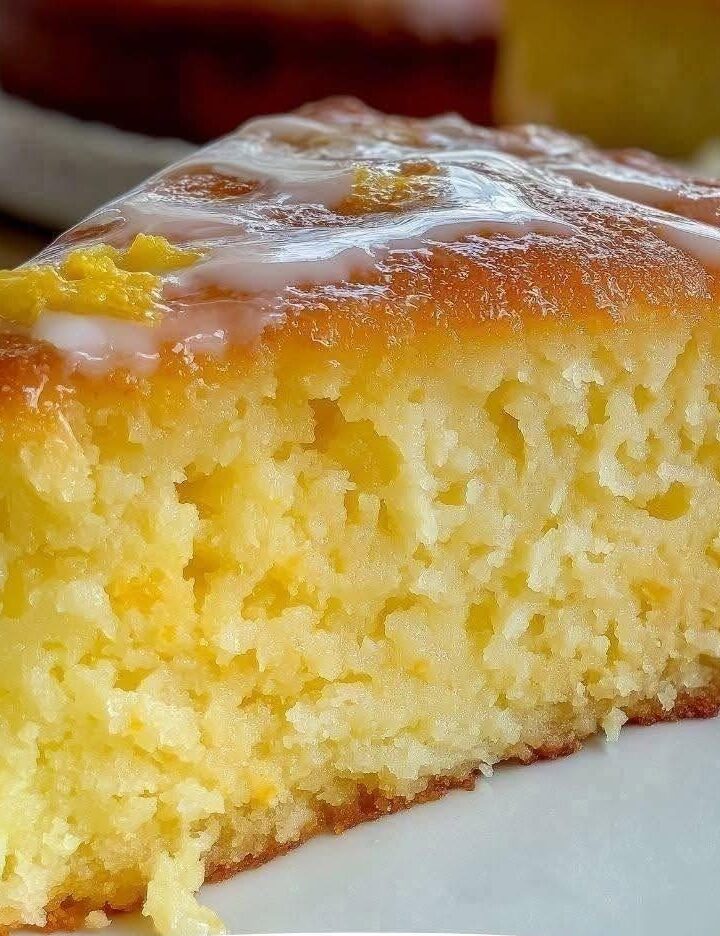
The Ultimate Guide to Baking a Healthy, Moist, and Flavorful Flourless Lemon Greek Yogurt Cake
Introduction to Gluten-Free Citrus Baking
Welcome to the definitive guide on crafting a masterpiece in your very own kitchen: a vibrant, cloud-like, and deeply refreshing flourless lemon Greek yogurt cake. If you have been searching for a dessert that marries wholesome nutrition with high-end bakery flavors, your search ends here. Traditional baking relies heavily on refined white all-purpose wheat flours, which can sometimes weigh down a delicate pastry. By shifting toward a flourless method—utilizing nutrient-dense components like fine almond flour and natural starches paired with protein-rich dairy—you unlock a whole new dimension of texture.
This specific creation is naturally free of gluten, incredibly low in heavy fats, and bursting with zesty citrus oils. Whether you are hosting an afternoon tea party, looking for a refined-sugar-conscious post-dinner treat, or simply wanting to try your hand at trending healthy baking techniques, this treat checks every single box. In this extensive masterclass, we will explore the science of baking without traditional flour, the unique properties of authentic Greek yogurt, and step-by-step instructions to guarantee perfection on your very first attempt.
Why Choose a Flourless and Yogurt-Based Approach?
Baking enthusiasts and professional pastry chefs alike are continuously looking for ways to lighten up classic comfort foods without sacrificing taste or mouthfeel. When you omit standard wheat flour, you eliminate gluten development, which is what often makes quick breads or cakes dense or chewy if over-mixed.
The Magic of Greek Yogurt in Modern Pastry
Greek yogurt is a powerhouse ingredient. Unlike regular runny yogurts, authentic strained Greek yogurt boasts a high protein profile and a thick, creamy consistency due to the removal of liquid whey. When introduced into a cake batter, it accomplishes several critical tasks:
- Incomparable Moisture: The natural fats and moisture content lock into the crumb structure, ensuring the cake never dries out, even days after baking.
- Subtle Tanginess: It mimics the complex flavor profile of traditional cream cheese or sour cream, giving the dessert a gourmet, cheesecake-like nuance that balances out sweetness.
- Structural Integrity: Combined with eggs, the proteins in the yogurt help stabilize the interior matrix of the cake, providing a sturdy yet feather-light framework.
The Benefits of Going Flourless
Utilizing almond meal or fine starches instead of standard grain flour offers a lower glycemic index, a nutty undertone that complements bright fruits, and an abundance of healthy monounsaturated fats and vitamin E. Your body processes these nutrient-dense options much more smoothly, meaning you can enjoy a generous slice with zero guilt.
Anatomy of the Perfect Citrus Flavor Profile
Nothing heralds the arrival of spring or brightens a dreary winter afternoon quite like fresh lemon. To achieve that intense, aromatic bakery-quality flavor, you cannot rely solely on bottled juices or artificial extracts.
Sourcing and Preparing Your Citrus
- Fresh Zest is King: The essential aromatic oils of a lemon reside entirely in its outer yellow skin (the flavedo). Grinding or micro-planing this zest directly into your wet ingredients releases potent limonene oils that infuse the entire batter.
- Fresh Squeezed Juice: Always use fresh lemons. The acidity is lively, bright, and clean, reacting dynamically with your mixing process to cut through any heaviness.
- Balancing Sweetness and Acid: Because lemon juice is sharp, the ratio of sweetener and dairy must be exact. The natural sweetness of the dairy and structural binders ensures that the final bite is bright, zesty, and harmonious rather than aggressively sour.
Mastering the Technique: Tips for Success
Even though this recipe is surprisingly straightforward, adhering to a few professional principles will elevate your results from ordinary to extraordinary.
- Room Temperature Ingredients: Always ensure your eggs and Greek yogurt are pulled out of the refrigerator 30 to 45 minutes prior to mixing. Cold ingredients can cause fats to seize or prevent proper aeration when whipping.
- The Importance of Gentle Folding: When incorporating whipped egg whites or light components into a flourless base, patience is your best friend. Use a flexible silicone spatula to cut down the center, sweep around the bottom of the bowl, and fold the batter over itself. Never stir aggressively, or you will deflate the air bubbles that make the cake rise.
- Pan Preparation: Because flourless cakes can be delicate and lack the gluten matrix of standard cakes, line your baking pan meticulously with parchment paper. This guarantees a clean release every single time.
Part 2: The Recipe
Homemade Flourless Lemon Greek Yogurt Cake
A light, cloud-like, and intensely citrusy cake made completely without traditional flour. This dessert relies on whipped eggs and thick Greek yogurt for its unmatched texture.
Equipment Needed
- 7-inch or 8-inch round springform or cake pan
- Parchment paper
- Electric hand mixer or stand mixer
- Mixing bowls
- Microplane zester
Ingredients List
- 4 large eggs (separated into yolks and whites, straight from the fridge)
- ¼ teaspoon fine sea salt
- ½ cup granulated sugar (or organic cane sugar)
- 1 ¼ cups plain whole-milk Greek yogurt (ensure it is thick Greek style)
- 1 teaspoon pure vanilla extract
- 2 tablespoons fresh lemon juice
- 1 tablespoon fresh lemon zest
- 6 tablespoons cornstarch (or potato starch)
- Optional finishing touch: Confectioner’s icing sugar for dusting, alongside fresh berries or a dollop of extra Greek yogurt.
Step-by-Step Instructions
- Preheat and Prep: Preheat your oven to 325°F (165°C). Line the bottom and sides of your baking pan with parchment paper, creating a slight collar that extends past the rim to support the cake as it puffs up.
- Whip the Egg Whites: In a clean mixing bowl, beat the egg whites with the fine sea salt using your electric mixer on high speed until stiff, glossy peaks form. Set aside.
- Mix the Wet Base: In a separate large bowl, combine the egg yolks and granulated sugar. Beat on high speed for 3 to 4 minutes until pale yellow and thick.
- Incorporate Yogurt and Citrus: Add the thick Greek yogurt, pure vanilla extract, fresh lemon juice, and fresh lemon zest to the yolk mixture. Beat on medium-low speed until completely smooth.
- Add Starch: Sift or scatter the cornstarch into the wet mixture, continuing to mix gently until fully incorporated without lumps.
- Fold the Whites: Gently fold the whipped egg whites into the batter in three separate additions using a spatula. Move carefully to preserve the air volume.
- Bake: Pour the finished batter smoothly into your prepared pan. Tap the pan gently on the counter to release any trapped air bubbles. Bake for 40 to 50 minutes until the top is golden brown and the center feels set to a gentle touch.
- Cool and Serve: Allow the cake to cool down completely inside the pan (it will deflate slightly, creating a lovely texture). Carefully invert or lift it out using the parchment paper, dust with icing sugar, slice, and serve with fresh berries.
Source
Inspired by traditional European flourless citrus bakes and adapted from classic high-protein Greek yogurt dessert techniques.