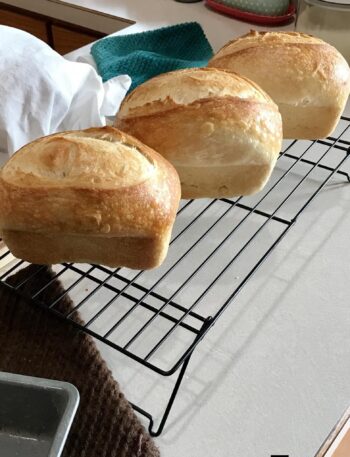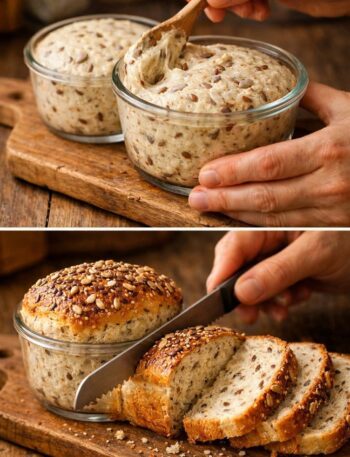
There is something deeply comforting about baking fresh bread at home. The aroma that fills your kitchen, the golden crust forming in the oven, and the satisfaction of slicing into a warm loaf—these simple pleasures make homemade bread one of the most rewarding recipes you can try.
This easy artisan-style bread recipe is perfect for beginners and experienced bakers alike. It uses simple pantry ingredients and a straightforward method to produce a loaf that is soft on the inside, slightly chewy, and beautifully golden on the outside.
Unlike complicated bakery recipes, this version keeps things simple while still delivering excellent results. Whether you’re baking for your family, preparing sandwiches, or just craving fresh bread, this recipe is reliable, affordable, and incredibly satisfying.
Why This Homemade Bread Recipe Stands Out
With so many bread recipes available online, what makes this one special?
Here’s why this recipe is gaining popularity among home bakers:
- Uses basic ingredients found in every kitchen
- No special equipment required
- Simple step-by-step process
- Perfect balance of soft interior and crisp crust
- Customizable with toppings like sesame seeds
This is one of those recipes that proves you don’t need fancy techniques to make bakery-quality bread at home.
Understanding the Role of Each Ingredient
Even though this recipe uses only a handful of ingredients, each one plays an important role in creating the perfect loaf.
All-Purpose Flour: The Structure Builder
Flour forms the base of the bread. It provides structure and helps create the dough.
All-purpose flour works perfectly for this recipe, giving a soft yet slightly chewy texture.
Sugar: A Subtle Enhancer
The small amount of sugar doesn’t make the bread sweet. Instead, it:
- Feeds the yeast
- Helps the dough rise
- Adds a slight depth of flavor
Salt: Flavor Balance
Salt is essential in bread making. It enhances flavor and strengthens the dough structure.
Yeast: The Rising Agent
Active dry yeast is what makes the bread rise. It creates air bubbles in the dough, resulting in a soft and airy texture.
If you don’t have active dry yeast, instant yeast works just as well.
Hot Water: Activating the Dough
Warm or hot water helps activate the yeast and brings the dough together.
Be careful not to use boiling water, as it can kill the yeast.
Olive Oil: Softness & Flavor
Olive oil adds moisture and improves the texture of the bread. It also contributes a subtle richness.
Sesame Seeds: Optional but Delicious
Sesame seeds add a light crunch and nutty flavor to the crust. While optional, they elevate the bread’s appearance and taste.
The Science Behind Perfect Bread Dough
Bread making may seem simple, but there’s a bit of science involved.
When you mix flour with water, gluten begins to develop. Kneading strengthens this gluten network, allowing the dough to trap air produced by the yeast.
This is what gives bread its structure and soft interior.
How to Mix and Form the Dough Properly
The first step is combining all dry ingredients—flour, sugar, salt, and yeast.
Then, you gradually add warm water and olive oil while mixing. The dough should start to come together into a slightly sticky mass.
Kneading: The Key to Soft Bread
Kneading is one of the most important steps in bread making.
Why Kneading Matters
- Develops gluten
- Improves texture
- Helps the dough rise properly
How to Knead Correctly
Place the dough on a lightly floured surface and knead for about 10 minutes.
Use the heel of your hand to push the dough forward, fold it back, and repeat.
The dough should become smooth, elastic, and slightly springy.
The First Rise: Letting the Dough Grow
After kneading, the dough needs time to rise.
Place it in a lightly greased bowl and cover it with a clean towel.
Ideal Rising Conditions
- Warm environment
- No drafts
- About 1 hour of resting time
During this time, the dough should double in size.
Shaping the Dough
Once the dough has risen, gently press it down to release excess air.
Shape it into a round loaf or oval, depending on your preference.
Preparing for Baking
Place the shaped dough onto a greased baking tray.
Use a sharp knife to make small cuts on top. These cuts allow steam to escape and help control how the bread expands in the oven.
Baking the Bread to Perfection
Preheat your oven to 425°F (220°C).
Bake the bread for 20–25 minutes until it becomes golden brown.
How to Know When Bread Is Done
- The crust is golden
- The bottom sounds hollow when tapped
- The loaf feels firm
Cooling: A Crucial Final Step
Once baked, remove the bread from the oven and let it cool.
This step is important because it allows the internal structure to set properly.
Cutting too early can make the bread gummy.
Pro Tips for Better Homemade Bread
1. Measure Ingredients Accurately
Too much flour can make the bread dense.
2. Don’t Rush the Rising Process
Allow the dough enough time to double in size.
3. Use Warm, Not Hot Water
Water that’s too hot can damage the yeast.
4. Score the Dough Properly
This helps the bread expand evenly during baking.
5. Let It Cool Before Slicing
Patience leads to better texture.
Flavor Variations to Try
Once you master the basic recipe, you can experiment with flavors:
🌿 Herb Bread
Add dried herbs like oregano or thyme.
🧄 Garlic Infused Bread
Mix in garlic powder or fresh minced garlic.
🧀 Cheese Bread
Add shredded cheese for a richer flavor.
Serving Suggestions
This homemade bread pairs beautifully with:
- Butter or jam
- Soups and stews
- Sandwich fillings
- Olive oil dips
Storage Tips
Room Temperature
Store in an airtight container for up to 2 days.
Freezing
Wrap tightly and freeze for up to 2 months.
Why Homemade Bread Is Worth It
Making bread at home is:
- Cost-effective
- Healthier (no preservatives)
- Customizable
- Deeply satisfying
Common Mistakes to Avoid
- Skipping kneading
- Using inactive yeast
- Overbaking
- Not letting dough rise properly
Final Thoughts
This easy homemade bread recipe is perfect for anyone looking to bake fresh bread without complicated steps. With just a few ingredients and simple techniques, you can create a delicious loaf that rivals bakery bread.
Once you try it, you’ll realize how easy and rewarding bread making can be.
🍞 Part 2: Simple Homemade Bread Recipe
Quick & Easy Version
Ingredients
- 3 cups all-purpose flour
- 1 teaspoon sugar
- 1 teaspoon salt
- ½ teaspoon active dry yeast
- 1 cup hot (warm) water
- 2 tablespoons olive oil
- Sesame seeds (optional)
Instructions
1. Mix Dry Ingredients
In a bowl, combine flour, sugar, salt, and yeast.
2. Add Liquids
Slowly pour in warm water and olive oil. Mix until a dough forms.
3. Knead the Dough
Knead on a floured surface for about 10 minutes until smooth.
4. Let It Rise
Place in a greased bowl, cover, and let rise for 1 hour or until doubled.
5. Shape the Dough
Punch down and form into a loaf or round shape. Place on a greased baking tray.
6. Add Topping
Score the top and sprinkle sesame seeds if desired.
7. Bake
Bake at 425°F (220°C) for 20–25 minutes until golden brown.
8. Cool & Serve
Let cool before slicing and serving.
Tips
- Use instant yeast if needed
- Don’t overbake
- Let bread cool before cutting