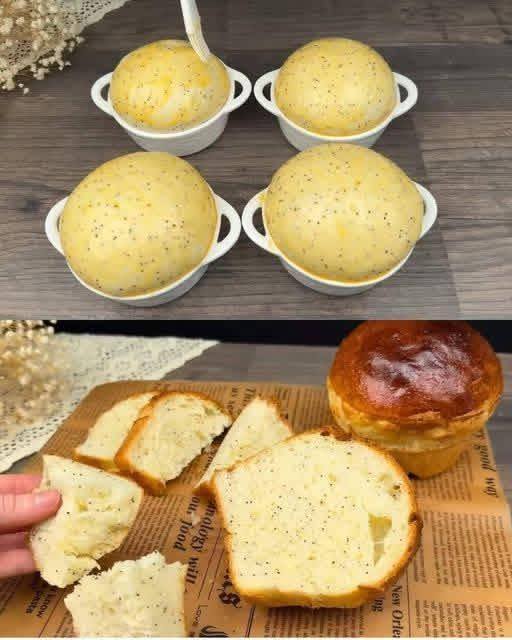
A Classic Breakfast Bread You Can Master at Home
If you’ve ever searched for a homemade English muffins recipe, a soft and fluffy breakfast bread, or a no-oven skillet bread recipe, this guide will walk you through everything you need to know. English muffins are one of the most beloved breakfast staples around the world, known for their soft interior, lightly crisp surface, and signature “nooks and crannies” that hold melted butter, jam, or savory toppings beautifully.
While store-bought versions are convenient, making them at home elevates the experience completely. Freshly prepared English muffins offer a deeper flavor, better texture, and the satisfaction of creating something truly special from scratch.
What Makes English Muffins Unique?
Unlike traditional muffins that are baked in the oven, English muffins are actually a type of yeast-leavened flatbread cooked on a stovetop. This cooking method gives them their distinct texture:
- Golden, slightly crisp exterior
- Soft, airy interior
- Signature holes perfect for spreads
These characteristics make them ideal for both sweet and savory meals.
A Brief History of English Muffins
English muffins trace their origins back to England, where they were originally known as “toaster crumpets.” Over time, they became popular in the United States, evolving into the round, griddle-cooked bread we know today.
Their rise in popularity is largely due to their versatility—they can be used for breakfast sandwiches, snacks, or even mini pizzas.
Why Homemade English Muffins Are Better
Making English muffins at home comes with several advantages:
- Fresh taste: No preservatives or artificial ingredients
- Better texture: More defined air pockets inside
- Customizable: Adjust flavor, flour type, or add mix-ins
- Cost-effective: Cheaper than premium bakery versions
- Satisfying process: A rewarding baking experience
Once you try homemade, store-bought versions often feel less impressive.
Understanding the Ingredients
Each ingredient plays an important role in creating perfect English muffins:
All-Purpose Flour
Provides structure and softness. It forms the base of the dough.
Yeast
Responsible for the rise and airy texture. It creates the signature holes inside.
Milk
Adds richness and a soft crumb.
Water
Helps hydrate the dough and activate yeast.
Sugar
Feeds the yeast and adds a mild sweetness.
Salt
Balances flavor and strengthens the dough.
Butter or Oil
Enhances flavor and tenderness.
Cornmeal or Semolina
Prevents sticking and adds a slightly crunchy texture to the exterior.
The Science Behind Perfect Texture
The famous “nooks and crannies” are created through a combination of:
- Proper kneading
- Controlled fermentation (rising time)
- Gentle handling of the dough
- Slow cooking on a griddle
This process allows air pockets to form and expand naturally.
Step-by-Step Dough Development Explained
Making English muffins involves a few key stages:
1. Mixing the Dough
Combining dry and wet ingredients creates a soft, slightly sticky dough.
2. Kneading
Kneading develops gluten, which gives the muffins structure and elasticity.
3. First Rise
This stage allows the dough to double in size, improving flavor and texture.
4. Shaping
Rolling and cutting the dough ensures uniform size and even cooking.
5. Second Rise
A shorter rise that helps create a light and airy interior.
6. Griddle Cooking
Slow cooking on low heat ensures the inside cooks fully without burning the outside.
Why No Oven Is Needed
One of the most interesting aspects of this recipe is that it doesn’t require baking. Cooking on a skillet or griddle allows for better control over texture and creates that signature golden crust.
This makes it a great recipe for those who prefer stovetop cooking.
Pro Tips for Bakery-Quality Results
To achieve perfect English muffins every time, follow these expert tips:
- Cook on low to medium-low heat for even cooking
- Avoid over-flouring the dough
- Use a round cutter without twisting
- Allow full rising time for best texture
- Always cool completely before slicing
How to Get Perfect “Nooks and Crannies”
Instead of cutting with a knife, use a fork to split the muffins. This preserves the interior structure and creates more space for butter and toppings.
Delicious Variations to Try
You can easily customize your English muffins:
Whole Wheat Version
Replace part of the flour for a nuttier flavor.
Sourdough Style
Use a sourdough starter for a tangy taste.
Cinnamon Raisin
Add cinnamon and raisins for a sweet twist.
Savory Options
Mix in herbs, cheese, or garlic powder.
Serving Ideas for Any Meal
English muffins are incredibly versatile:
- Toasted with butter and jam
- Used for breakfast sandwiches
- Topped with avocado and eggs
- Served alongside soups or stews
- Used as mini pizza bases
They work for both sweet and savory dishes.
Common Mistakes to Avoid
- Cooking on high heat (burns outside, raw inside)
- Skipping the second rise
- Over-kneading or under-kneading
- Cutting instead of splitting
- Not allowing muffins to cool
Avoiding these ensures perfect results.
Storage and Freshness Tips
- Store at room temperature for 2–3 days
- Refrigerate for longer shelf life
- Freeze for up to 2 months
- Toast before serving for best texture
Final Thoughts: A Bread Worth Mastering
Homemade English muffins are a rewarding recipe that combines simple ingredients with technique. With practice, you can create muffins that rival any bakery—soft, flavorful, and perfectly textured.
If you’re looking for a homemade breakfast bread recipe, a yeast-based skillet bread, or a classic English muffin guide, this is one recipe you’ll want to master.
Part 2: Simple Homemade English Muffins Recipe
Preparation Time
1 hour 30 minutes (including rising)
Cooking Time
12–16 minutes
Total Time
About 2 hours
Servings
8–10 muffins
Ingredients
- 3 ½ cups all-purpose flour
- 2 ¼ teaspoons instant yeast
- 1 tablespoon sugar
- 1 teaspoon salt
- ¾ cup warm milk
- ½ cup warm water
- 2 tablespoons melted butter or oil
- Cornmeal or semolina (for dusting)
Instructions
Step 1: Make Dough
Mix flour, yeast, sugar, and salt. Add warm milk, water, and butter. Combine into a soft dough.
Step 2: Knead
Knead for 8–10 minutes until smooth and elastic.
Step 3: First Rise
Place in a greased bowl, cover, and let rise until doubled (1–1½ hours).
Step 4: Shape
Roll dough to ½ inch thick and cut into rounds.
Step 5: Second Rise
Place on a cornmeal-dusted tray and let rise for 30–45 minutes.
Step 6: Cook
Cook on a skillet over low heat for 6–8 minutes per side until golden brown.
Step 7: Cool
Cool completely before splitting.